Cultural Legacy
How Rafael Consuegra brought the Barcelona warehouse-studio model to Miami and helped establish one of the city's earliest artist-led creative districts.
Barcelona was Spain's industrial powerhouse for much of the twentieth century. By the late 1960s and throughout the 1970s, however, many factories closed or relocated, leaving numerous warehouses vacant. These large, affordable industrial spaces — with high ceilings, freight access, and ample room for fabrication — became ideal studios for sculptors and other large-scale artists. Following Francisco Franco's death in 1975, Spain's democratic transition brought greater artistic freedom and renewed cultural energy, helping transform many former factories into vibrant artist studios and creative communities during the late 1970s and 1980s.
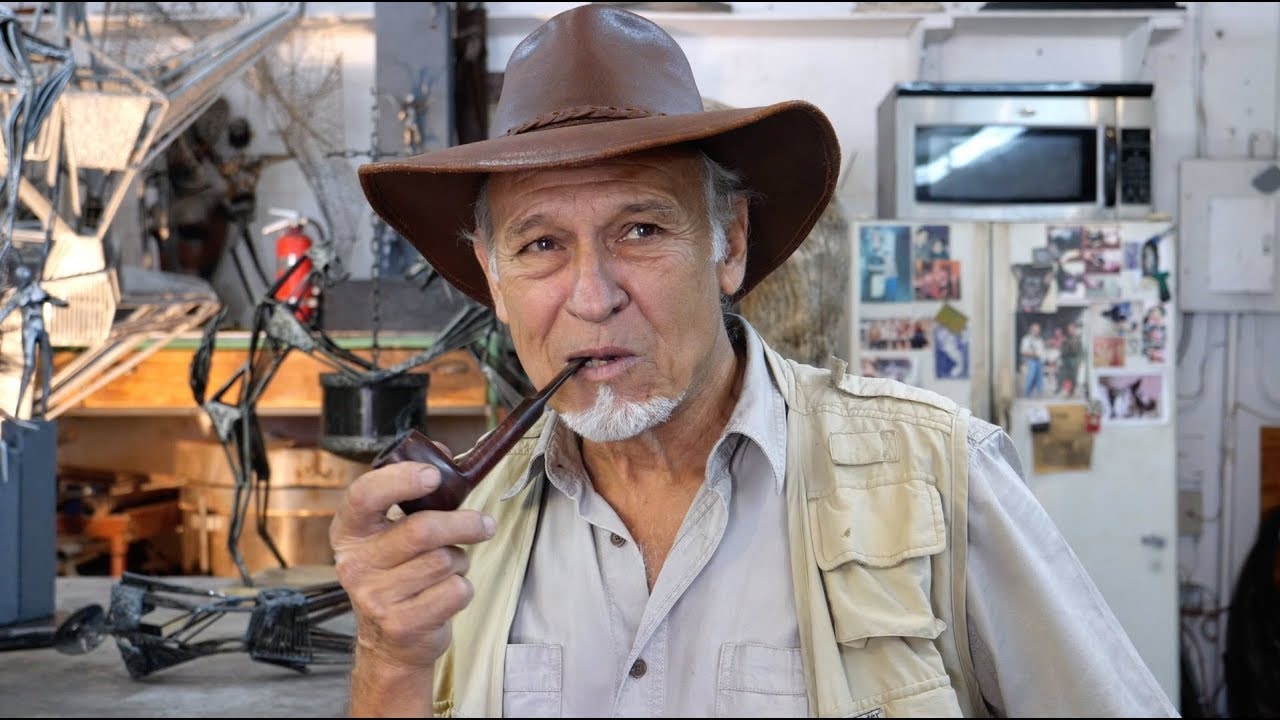
It was during this period that Rafael Consuegra worked in an industrial warehouse studio in Barcelona. When he later relocated to Miami in the early 1980s, he brought this European studio model with him. At that time, very few Miami artists were using industrial warehouses as working studios.
After returning from Barcelona, Consuegra established a large warehouse studio in Miami's Bird Road industrial area. The building served both as a sculpture workshop and an exhibition space. By the mid-1980s, other artists began leasing nearby warehouses, gradually forming the creative community that would later become known as the Bird Road Art District.
Throughout the early 1980s, the Bird Road area attracted artists because of its inexpensive warehouse rents and large industrial spaces. Artists transformed these buildings into studios, galleries, and, in some cases, live-work environments. This movement developed years before Wynwood emerged as Miami's internationally recognized arts district.
Rafael Consuegra helped pioneer Miami's warehouse-studio movement by applying a model he had already experienced in Barcelona rather than discovering it independently in South Florida. His influence extended beyond his own artistic practice, helping establish a collaborative environment that encouraged other artists to settle in the Bird Road industrial corridor.
Although Rafael Consuegra had been fostering an artist community in the Bird Road warehouses since the early 1980s through monthly public studio openings, the Bird Road Art Connection (BRAC) was formally established in late 1996 by Rafael Consuegra, Vicente Dopico-Lerner, and Guy Haziza.
Their vision was to unite the artists working in the Bird Road warehouse studios and invite the public directly into their creative spaces rather than relying solely on traditional art galleries.
Rafael Consuegra began opening his warehouse studio to the public once each month, creating one of Miami's earliest artist-led open-studio traditions.
Rafael Consuegra, Vicente Dopico-Lerner, and Guy Haziza formally founded the Bird Road Art Connection (BRAC), and the first organized open-studio event was held.
The second BRAC event attracted significantly larger crowds and received extensive coverage in the Miami Herald, helping establish the area's growing reputation.
Miami-Dade County officially recognized the area as the Bird Road Art District, building upon the success and momentum created by the Bird Road Art Connection.
This distinction is historically important. Rafael Consuegra had already spent more than a decade cultivating an artist community through his warehouse studio and monthly public openings before BRAC was officially organized. The Bird Road Art Connection provided the formal structure that united the area's artists and expanded public awareness of the district.
For the Rafael Consuegra Art and Culture Foundation, this distinction is significant because it recognizes Rafael Consuegra not only as an accomplished sculptor but also as a pioneering cultural leader whose vision helped establish one of Miami's earliest artist-led warehouse arts districts.